


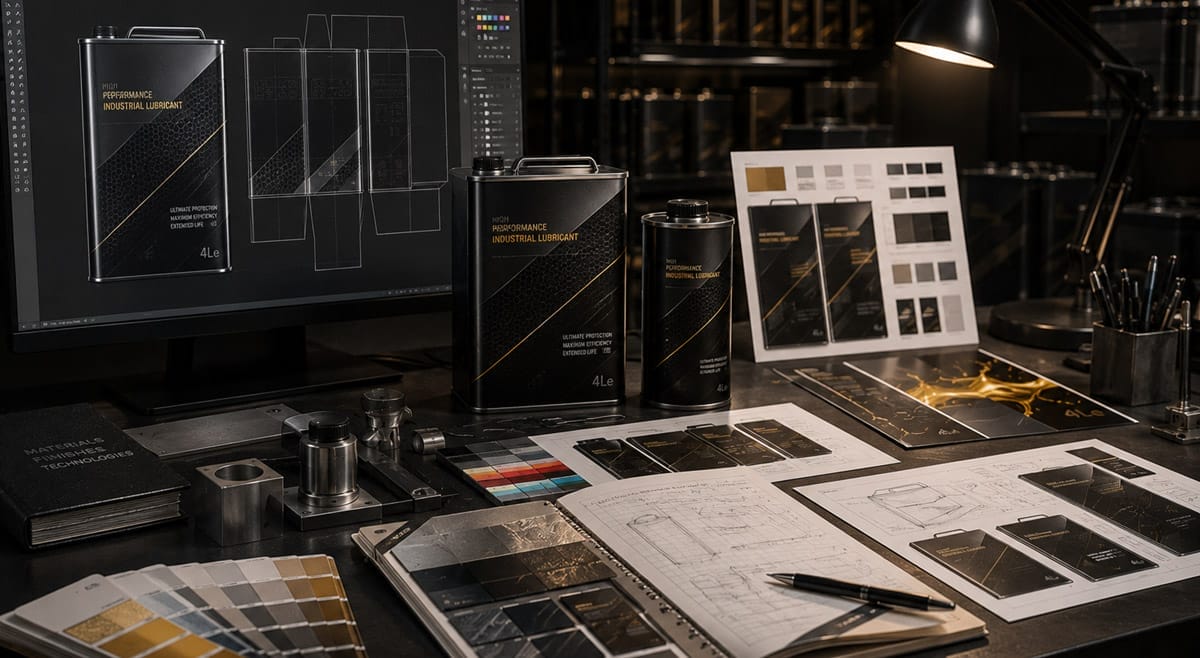

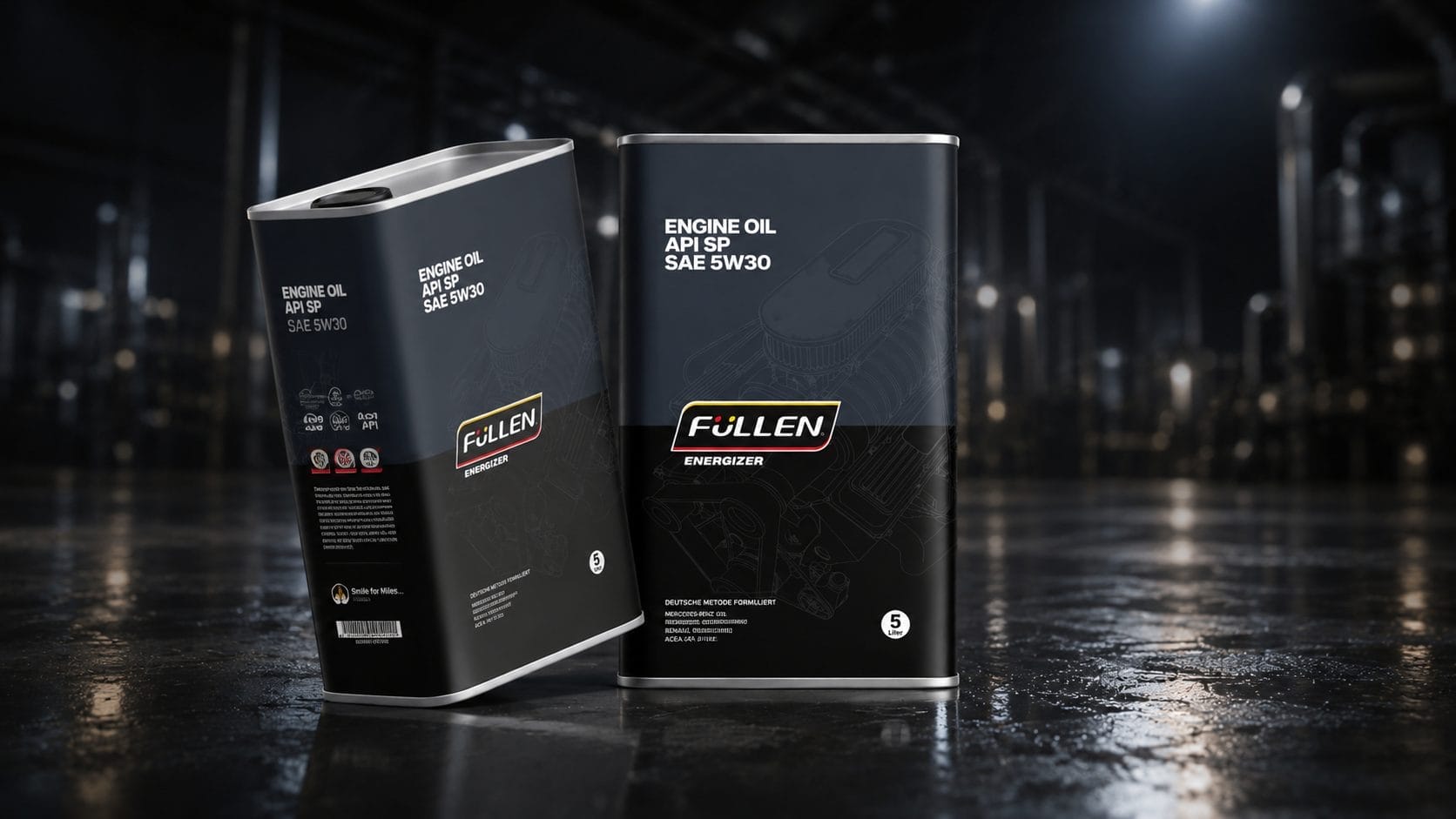
Packaging is one of the first aspects of an industrial product that customers notice. In B2B markets, buyers often use packaging as a proxy for quality, professionalism, and reliability. Industrial packaging design influences trust, perception, and purchasing decisions before a customer even evaluates product specifications. This article explores how packaging choices—materials, visual hierarchy, typography, and production quality—affect customer confidence and long-term brand credibility for industrial products.
Industrial buyers rarely evaluate a product solely on technical specifications.
Instead, they often form first impressions based on the package.
Packaging communicates several key signals:
Poor packaging can reduce confidence, undermine perceived quality, and create hesitation.
Premium and well-executed industrial packaging can increase perceived value and trust, especially when buyers are comparing multiple products from different manufacturers.nt.

In B2B industrial markets, decisions are influenced by both rational and perceptual factors.
Buyers often encounter products through:
Before evaluating the product formulation or performance claims, buyers assess the visual and tactile qualities of the packaging.
These impressions shape expectations.
High-quality packaging signals:
Low-quality or generic packaging may imply:
This is why packaging is not just a container; it is an active element of the industrial brand experience.e.
Several design and production factors directly impact how industrial packaging is perceived:
Brands that align these elements with strategic positioning build stronger trust with customers, distributors, and end users.
In Part 2, we will explore case examples, practical mistakes to avoid, and how material, color, and production decisions affect perceived brand trust..
Industrial packaging design extends beyond aesthetics—it communicates reliability, quality, and brand integrity.
Several key elements influence trust:
The choice between metal, plastic, or hybrid containers impacts perceived quality. Premium materials like metal are often associated with durability and professional-grade manufacturing, while high-quality plastics can support efficiency and modern design aesthetics.
Structured color systems and strong visual hierarchy help customers navigate product lines, differentiate products, and recognize brands quickly. Consistent use of brand colors reinforces identity and trust.
Legible, well-sized typography combined with thoughtful layout ensures critical information is easily readable. Proper hierarchy emphasizes brand name, product type, key specifications, and benefits.
Accurate printing, correct registration, consistent coating, and precise dieline implementation are essential. Mistakes in production can undermine trust, even if design is visually appealing.
A cohesive packaging strategy across multiple products reinforces brand reliability. Inconsistent design may create confusion and erode customer confidence.

Observing real-world examples clarifies the impact of packaging on trust:
By analyzing successes and failures, brands can learn to prioritize design decisions that strengthen trust..
Industrial buyers subconsciously evaluate packaging for manufacturing competence:
Brands that integrate production awareness into design demonstrate reliability and professionalism, reinforcing customer trust.
Successful industrial packaging aligns every design element with brand identity:
Every visual and tactile decision should reinforce brand values, creating a unified perception that supports long-term loyalty.
Packaging design does not only influence domestic customers. For lubricant manufacturers targeting international markets, packaging often becomes the first impression of the brand in a foreign context. Cross-border buyers evaluate not only the product specifications but also visual cues that indicate reliability and professionalism. A premium package signals attention to detail and operational competence, while a generic or poorly executed package may raise doubts about consistency and quality.
Export packaging must address several factors:
Companies that integrate these considerations early in design and production demonstrate trustworthiness to both distributors and end users. A well-planned export packaging strategy ensures the product maintains its premium perception throughout its lifecycle, reinforcing credibility across borders.

Sustainability has become a critical component of customer trust. Industrial buyers increasingly consider environmental responsibility when evaluating brands. Packaging choices that minimize material waste, use recyclable or reusable materials, and reduce environmental impact can significantly influence perceived brand integrity. Metal packaging, for example, is often highly recyclable, while advanced plastics can also meet sustainability standards when optimized for recycling and material efficiency.
Manufacturers who integrate sustainability into their packaging strategy benefit in multiple ways:
Effective communication of sustainability efforts on the package itself further reinforces trust, ensuring that customers recognize both the brand’s technical competence and social responsibility.
Packaging serves as a physical embodiment of brand values. The strongest industrial brands ensure that every packaging element reflects their core positioning. Material selection, color palette, typography, layout, and finishing techniques must all work cohesively to communicate the intended brand message. A premium lubricant brand may emphasize metallic finishes, bold typography, and structured color hierarchy to convey reliability and engineering excellence. A value-focused brand might choose functional plastic packaging that emphasizes clarity, efficiency, and practicality without undermining credibility.
Alignment between packaging and brand values achieves:
Every detail from container material to label placement contributes to the perception of trust.

To build trust through packaging, industrial brands should follow practical principles:
By combining these elements, packaging becomes more than a container it is a tool to reinforce confidence, brand credibility, and long-term market performance.er frequently asked questions, and explain how strategic packaging systems create lasting competitive advantages.
To maximize trust in industrial products, lubricant brands must approach packaging as a strategic business asset. Effective packaging communicates reliability, professionalism, and quality without the need for explicit claims. Integrating design, production, and brand strategy ensures that every customer interaction reinforces confidence.
Key strategies include:
By following these principles, companies create a packaging system that supports both brand perception and long-term commercial success.

Lubricant brands can assess their packaging systems with the following checklist:
Answering “yes” to most items indicates a packaging system that strengthens trust and perceived value.
Packaging design is a critical component of industrial brand trust. Mistakes in hierarchy, color, material, production, or brand positioning can diminish confidence and reduce perceived product value. Conversely, strategic packaging that integrates production awareness, consistent branding, and customer-focused design strengthens trust, improves recognition, and supports long-term market performance. Lubricant manufacturers that invest in strategic packaging gain a significant competitive advantage in both domestic and export markets.
Packaging often provides the first impression of product quality and professionalism.
Materials like metal communicate durability and premium quality, while high-quality plastics can communicate efficiency and modernity.
Clear hierarchy ensures customers can quickly identify the brand, product type, and key information, improving trust and usability.
Structured color systems reinforce recognition, differentiate product lines, and strengthen perceived brand quality.
Accurate printing, coatings, and assembly convey attention to detail and operational competence.
Yes. Consistent, high-quality packaging encourages brand loyalty and repeat purchasing behavior.
Sustainable packaging communicates responsibility and aligns with modern industrial expectations.
Design must withstand transport and appeal visually in international markets to ensure consistent perception.
Branding should be expressed through material, typography, layout, and color to reinforce identity and trust.
Implement structured packaging systems, quality checks, and strategic design aligned with brand values.
At Jahanifar Studio, we help industrial brands develop packaging systems that build trust, improve brand perception, and support long-term business growth. From lubricant packaging and metal can design to production-ready artwork and industrial branding, we create packaging that communicates quality and professionalism. Explore our projects and discover how strategic packaging can enhance your brand presence.
Let's discuss your goals and explore the best path forward.