
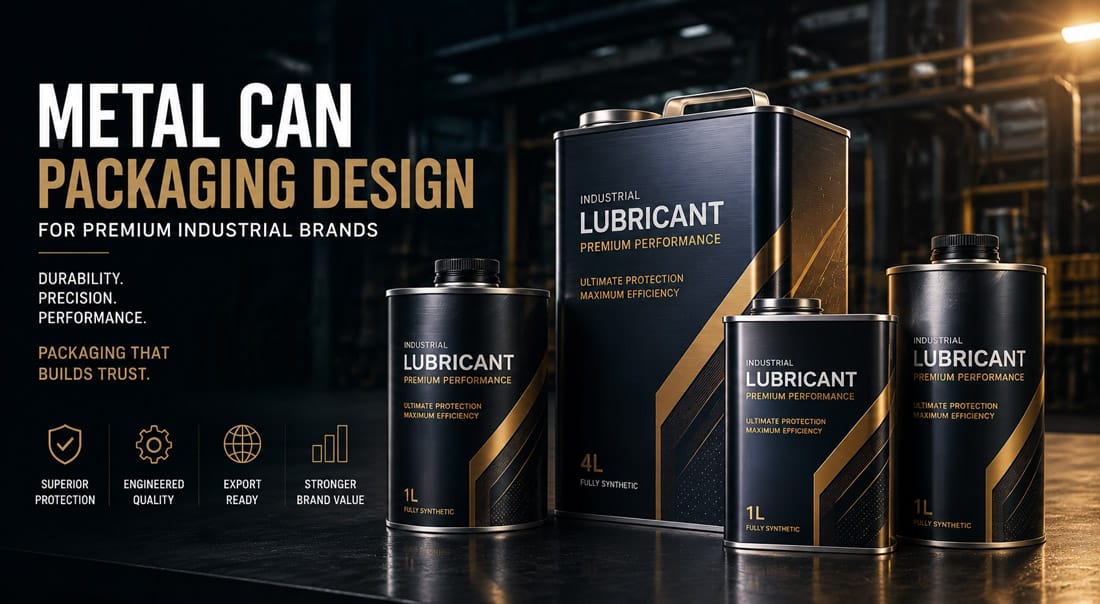
Premium industrial brands continue to rely on metal can packaging for durability, export performance, premium shelf presence, and stronger brand perception. This article explores the strategic advantages of metal packaging design in modern industrial branding.
In industrial markets, packaging is rarely just a protective layer. It becomes part of the product’s perceived quality, market positioning, and long-term brand credibility. While many consumer industries continue moving toward lightweight and disposable packaging systems, premium industrial brands still invest heavily in metal can packaging for one simple reason: perception matters.
In sectors such as lubricants, automotive fluids, chemicals, coatings, and export-grade industrial products, packaging directly influences how distributors, retailers, and buyers evaluate a product before they ever experience its performance.
A premium lubricant inside weak packaging immediately creates doubt.
A technically advanced industrial product presented in generic plastic packaging often loses visual authority on the shelf.
This is why metal can packaging design continues to hold a unique position in industrial branding. It communicates durability, precision, trust, and manufacturing confidence in ways that alternative materials often struggle to achieve.
For industrial companies competing in crowded global markets, packaging is no longer only about containment. It has become part of the brand’s commercial language.
Packaging psychology plays a major role in industrial purchasing decisions, even in B2B environments where functionality is considered the primary focus.
Buyers subconsciously associate metal packaging with:
This perception has been built over decades across industries including automotive lubricants, industrial oils, paints, chemicals, and specialty manufacturing products.
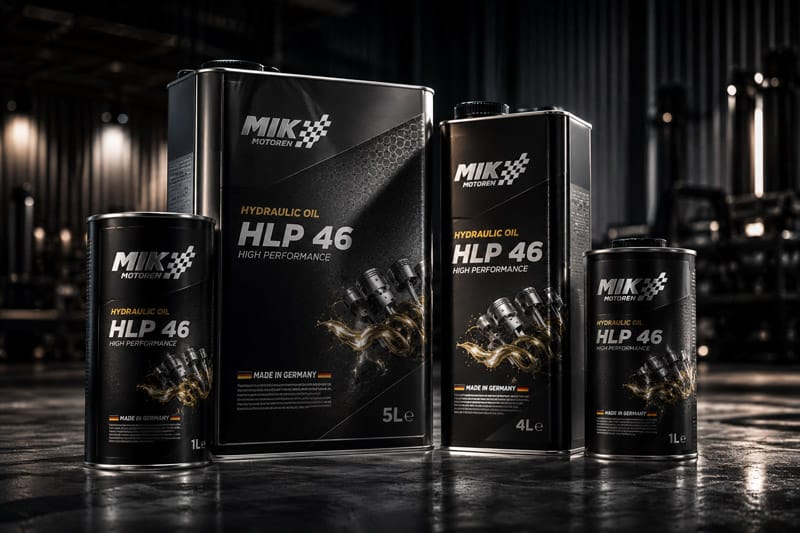
Metal surfaces naturally reflect light differently from plastic materials. They create stronger visual depth, sharper printing contrast, and a more engineered appearance. These characteristics subconsciously communicate precision and quality.
For premium industrial brands, this matters significantly.
When a distributor compares multiple lubricant products on a shelf, the packaging itself becomes part of the competitive advantage. A well-designed metal can instantly attracts more visual attention than low-cost alternatives because it appears more substantial and professionally manufactured.
This is especially important in export markets where packaging quality often shapes first impressions before any direct communication with the manufacturer occurs.
As discussed in our lubricant packaging design guide, premium industrial branding relies heavily on perceived trust before purchase decisions are made.
Metal packaging supports that trust visually and psychologically.
Despite advances in flexible packaging and modern plastics, many high-end industrial brands still prefer tin packaging because it delivers advantages that go beyond appearance.
The first advantage is structural durability.
Industrial supply chains are demanding. Products are stacked, transported internationally, exposed to temperature variation, and frequently handled in warehouses and retail environments. Metal cans provide superior rigidity and protection during transportation compared to many plastic alternatives.
The second advantage is print presentation.
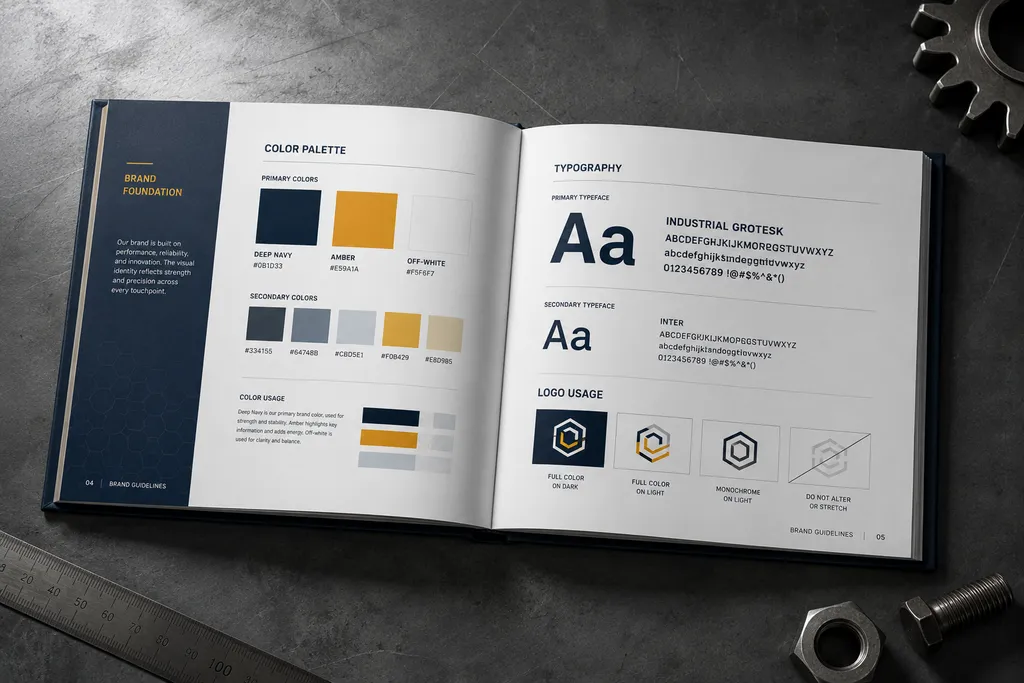
Metal surfaces allow for sharper industrial graphics, cleaner typography, stronger color contrast, and more premium finishing techniques. This becomes extremely valuable for brands investing in high-quality visual identity systems.
Packaging design is not isolated from production realities.
A successful industrial package must look premium while also surviving real-world logistics and manufacturing conditions.
This balance between aesthetics and technical functionality is one of the reasons why metal can packaging remains dominant in many lubricant and industrial sectors.
Strong industrial packaging often reflects something deeper than visual branding.
It signals manufacturing confidence.
Brands that invest in premium packaging systems communicate that they understand production quality, logistics, printing accuracy, and long-term market positioning. This creates a stronger sense of trust among distributors, wholesalers, and industrial buyers.
In competitive B2B markets, trust is built visually long before technical specifications are reviewed.
This is one of the reasons premium lubricant manufacturers continue investing in sophisticated metal can packaging design systems despite higher production complexity.
Because in industrial branding, packaging is not merely a container.
It becomes evidence of professionalism.
And for premium brands competing internationally, that perception can significantly influence commercial success.
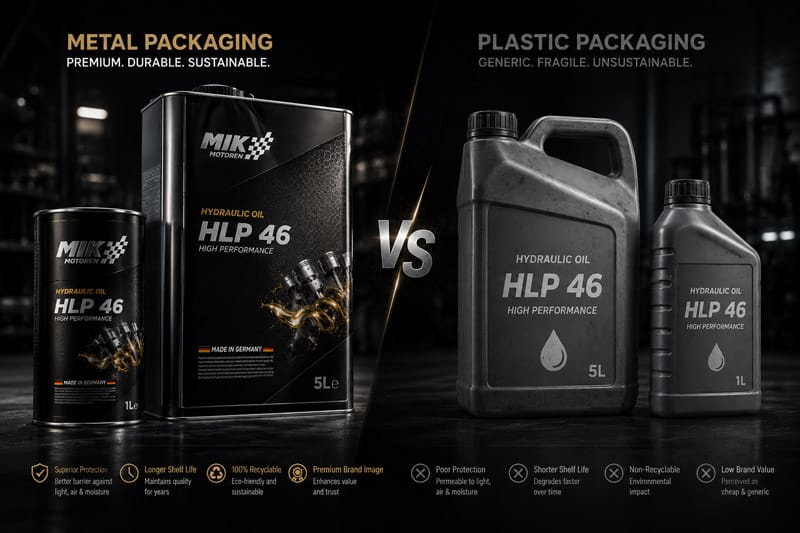
The debate between metal and plastic packaging has existed for decades across industrial sectors. While plastic packaging offers advantages such as reduced weight and lower production costs, premium industrial brands often continue choosing metal packaging because the decision involves far more than manufacturing economics.
In industrial branding, perception directly affects market value.
A metal lubricant container immediately communicates a stronger sense of durability and technical reliability compared to lightweight plastic alternatives. This distinction becomes especially important in competitive B2B environments where distributors and buyers evaluate products visually before examining technical specifications.
Plastic packaging is often associated with mass-market products and cost-driven manufacturing. Metal packaging, on the other hand, creates a perception of engineered quality and premium industrial standards.
This visual hierarchy strongly influences purchasing psychology.
For export-focused manufacturers, packaging must not only protect the product but also reinforce confidence in the brand itself. Premium industrial companies understand that packaging becomes part of the customer’s first physical interaction with the product.
That interaction shapes trust.
Industrial supply chains are far more demanding than standard consumer distribution systems.
Products may travel across multiple countries, remain in warehouses for extended periods, or experience challenging environmental conditions during transportation. In these situations, packaging durability becomes a critical commercial advantage.
Metal can packaging provides stronger structural integrity during shipping and storage. It resists compression more effectively, maintains shape consistency, and often performs better in stacked warehouse conditions.
For lubricant manufacturers and industrial exporters, damaged packaging can create serious consequences:
Premium industrial brands invest heavily in minimizing these risks because packaging failure affects more than logistics. It affects reputation.
This is one reason why metal packaging continues to dominate many high-end lubricant and industrial product categories despite increasing pressure toward lower-cost alternatives.
Durability itself becomes part of the brand experience.
In retail and distribution environments, industrial products compete visually even in highly technical markets.
Packaging must attract attention quickly while also communicating professionalism and reliability.
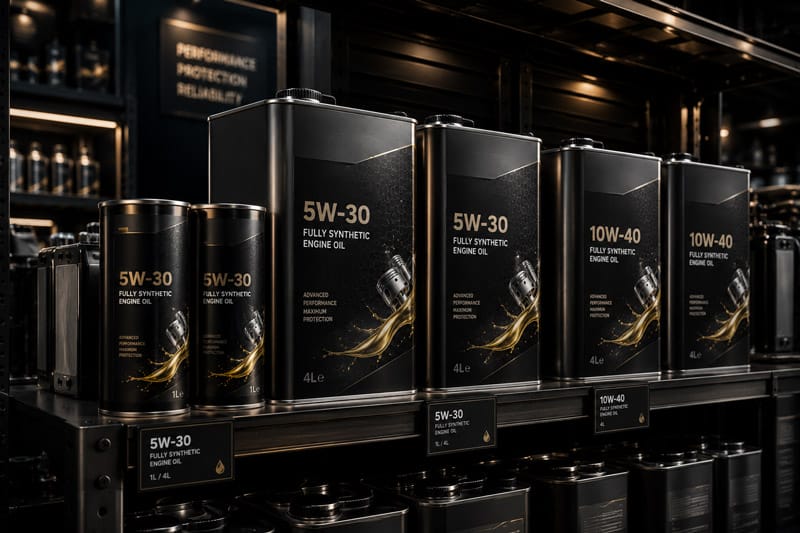
Metal packaging naturally creates stronger shelf presence because of its reflective surfaces, rigid geometry, and premium material appearance. Under showroom or retail lighting, metallic surfaces create visual contrast that plastic packaging often cannot replicate.
This is especially important for lubricant packaging design where many products compete using similar color palettes and technical messaging.
The packaging material itself becomes part of the differentiation strategy.
Premium brands frequently use metal packaging to support:
A well-designed metal can immediately feels more engineered, more technical, and more trustworthy.
This perception is not accidental.
It is the result of decades of industrial market conditioning where metal packaging became associated with quality manufacturing and professional-grade products.
Many companies underestimate the importance of emotional perception in industrial markets.
Even in technical B2B industries, buyers are still influenced by visual confidence, presentation quality, and brand prestige.
This becomes particularly important for premium lubricant brands attempting to position themselves above low-cost competitors.
Metal packaging helps create that premium separation.
It introduces a sense of permanence and engineering precision that aligns naturally with industrial products requiring trust and reliability. When combined with sophisticated typography, controlled color systems, and production-aware packaging design, metal containers can significantly elevate overall brand perception.
In many cases, packaging quality influences how buyers perceive the quality of the product itself.
This is why successful industrial branding rarely treats packaging as a secondary decision.
The most competitive brands understand that premium packaging design is not decoration.
It is part of the commercial strategy.
Designing premium metal packaging is far more complex than creating graphics for digital displays or standard paper-based printing systems.
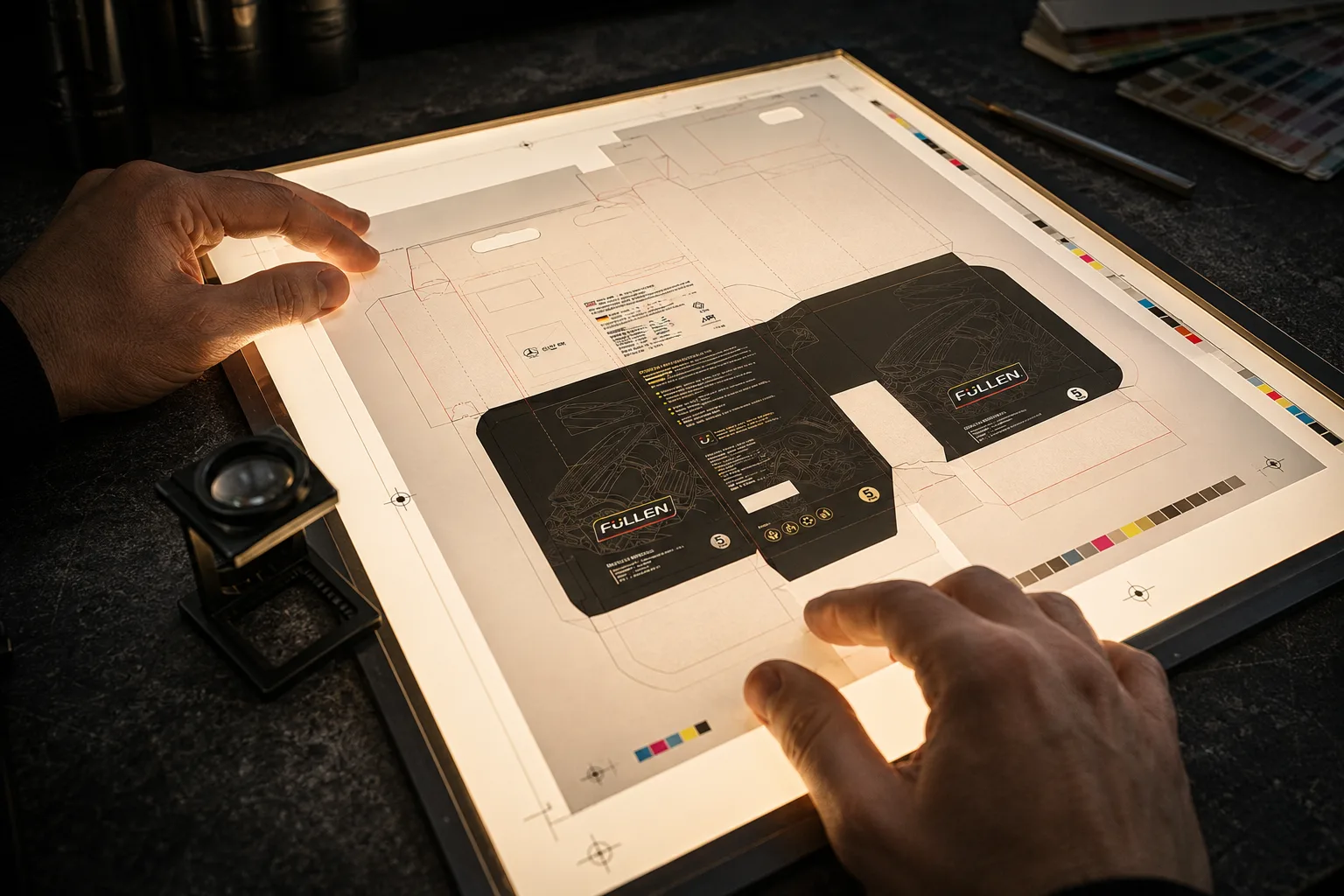
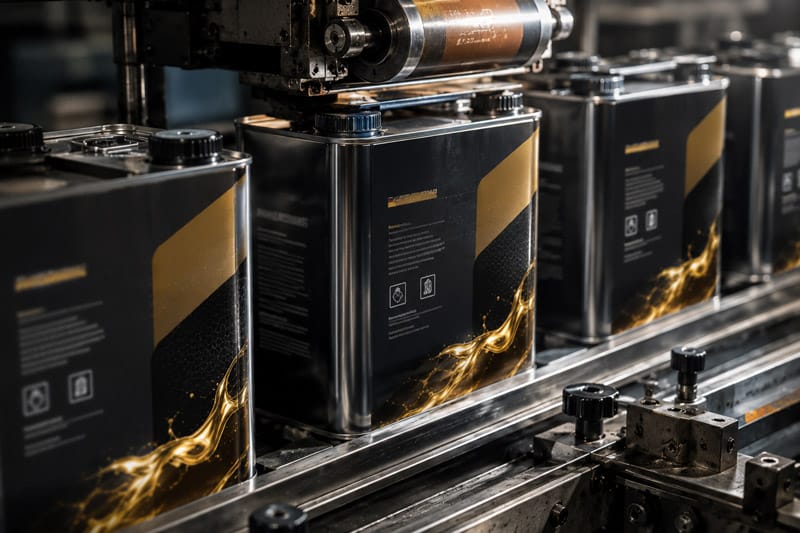
Metal surfaces introduce unique production challenges that directly affect color accuracy, print consistency, durability, and overall visual quality. This is one of the main reasons why industrial packaging design requires real production knowledge rather than purely aesthetic design skills.
Unlike flexible packaging materials, metal surfaces react differently to ink density, lighting conditions, coating systems, and printing pressure. Small technical mistakes that may appear insignificant during the design process can become highly visible after production.
For premium industrial brands, these details matter.
Because packaging quality is judged instantly.
A luxury lubricant brand presented with poor print execution immediately loses credibility regardless of how advanced the product inside may be.
This is why successful metal can packaging design requires close integration between branding, prepress preparation, printing technology, and manufacturing realities.
Color management is one of the most technically demanding aspects of industrial packaging production.
Metal surfaces reflect light differently from paper or plastic substrates. This reflective behavior can alter perceived color density, contrast, and saturation depending on viewing angles and environmental lighting conditions.
For industrial brands using strict corporate color systems, maintaining visual consistency across production batches becomes extremely important.
Even minor shifts in blue tones, metallic finishes, or black density can affect how premium the final packaging appears.
This challenge becomes even more sensitive in lubricant packaging, where dark industrial palettes, metallic finishes, and high-contrast typography are commonly used to communicate performance and technical reliability.
Professional packaging studios understand that successful metal packaging design is not only about selecting attractive colors.
It is about designing colors that survive real-world production conditions.
This includes considerations such as:
Brands that ignore these technical realities often experience major differences between digital mockups and final production results.
And in premium industrial branding, those differences can damage perceived quality significantly.
Many design agencies approach packaging purely from a visual perspective.
However, industrial packaging requires a far deeper understanding of manufacturing limitations and print-production systems.
A technically informed packaging designer understands:
This technical awareness creates a major competitive advantage because it reduces costly production mistakes while improving final packaging quality.
In industrial markets, packaging is closely connected to operational efficiency.
A visually attractive design that fails during production is ultimately unsuccessful.
This is why experienced industrial branding studios focus heavily on production-ready artwork systems rather than only conceptual aesthetics.
The goal is not merely to create beautiful packaging.
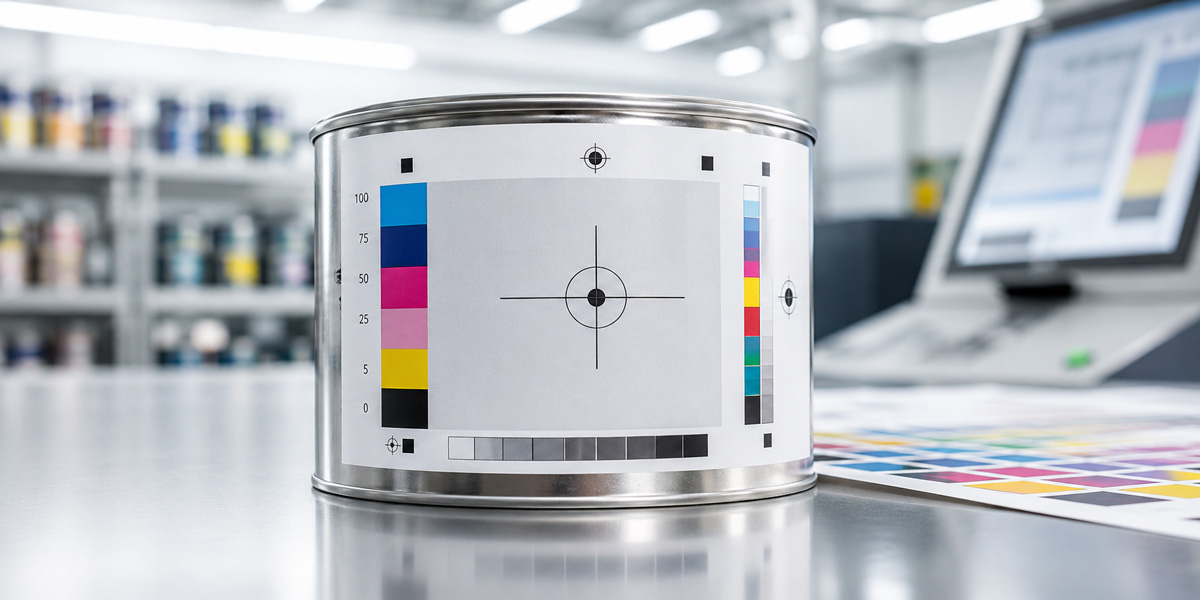
The goal is to create packaging that performs successfully in real manufacturing environments.Industrial printing process on premium metal can packaging
Industrial buyers often evaluate brands subconsciously through production quality.
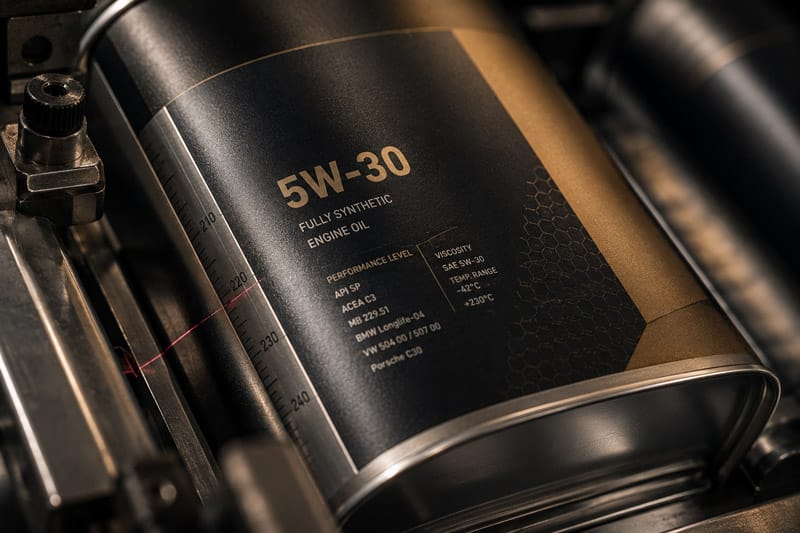
Clean typography alignment, accurate color consistency, sharp printing, and structural precision all communicate professionalism before a single technical specification is reviewed.
Poor production quality creates the opposite effect.
Misaligned graphics, inconsistent coatings, weak typography contrast, or inaccurate color reproduction immediately reduce perceived reliability.
This is especially critical in export-oriented industrial markets where packaging frequently becomes the first physical representation of the brand.
Premium industrial companies understand that packaging quality influences how distributors, wholesalers, and retailers judge the manufacturer itself.
This is why metal can packaging design should never be treated as a purely decorative exercise.
It is a technical branding system connected directly to manufacturing confidence, operational quality, and long-term brand positioning.
And the brands that understand this distinction are usually the ones that dominate premium industrial categories.
As industrial markets become increasingly competitive, packaging is evolving from a functional necessity into a strategic branding asset.
Today’s premium manufacturers are expected to deliver more than product performance alone. Buyers, distributors, and global partners increasingly evaluate companies through presentation quality, visual consistency, and packaging professionalism.
This shift is one of the reasons metal packaging continues to maintain strong relevance despite the rise of alternative materials.
Modern industrial brands are no longer using metal cans simply because of tradition.
They use them because metal packaging continues to deliver a unique combination of:
For lubricant brands especially, packaging remains deeply connected to perceived performance. A premium lubricant packaged in a sophisticated metal container instantly communicates engineering confidence and manufacturing quality.
This visual trust becomes increasingly valuable in international markets where packaging often shapes first impressions long before direct business relationships are established.
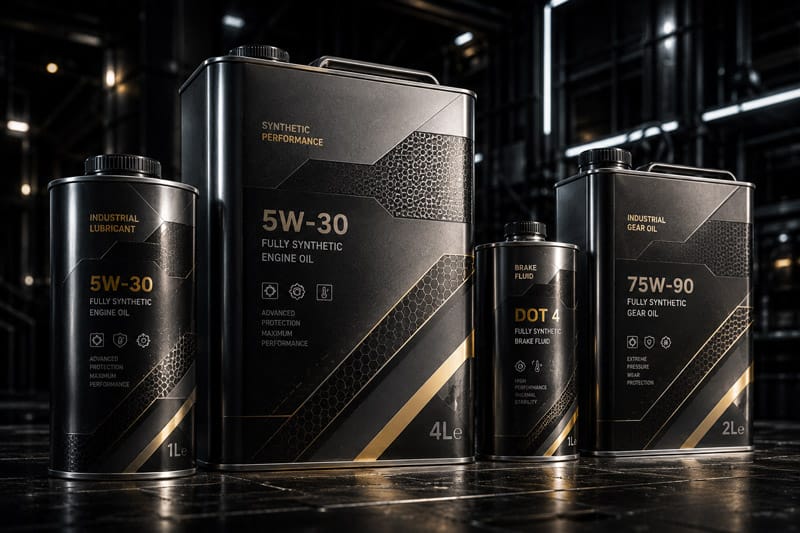
Sustainability discussions are reshaping packaging decisions across nearly every industry.
However, sustainability in industrial sectors is becoming less focused on disposable trends and more focused on long-term material efficiency, durability, and lifecycle performance.
Metal packaging offers several advantages in this evolving conversation.
Unlike many disposable packaging systems, metal containers are often associated with:
For premium industrial companies, sustainable packaging is not only about environmental messaging.
It is also about reducing waste through higher-quality production systems.
Durable packaging that survives transportation, storage, and handling more effectively can significantly reduce damaged inventory and material loss throughout the supply chain.
This aligns naturally with the philosophy of premium industrial manufacturing where quality and longevity are closely connected.
As sustainability standards continue evolving globally, high-quality metal packaging may become even more valuable for industrial brands positioning themselves as long-term market leaders.
Industrial branding is becoming increasingly sophisticated.
Global competition, digital visibility, and international distribution have elevated the importance of presentation quality across every stage of the customer experience.
Packaging is now part of strategic positioning.
The most successful industrial brands understand that premium packaging influences:
This is why leading lubricant manufacturers and industrial companies continue investing heavily in advanced metal can packaging systems despite higher production complexity and manufacturing costs.
Because premium packaging does something low-cost alternatives rarely achieve.
It creates authority.
And in industrial markets, authority directly influences commercial success.
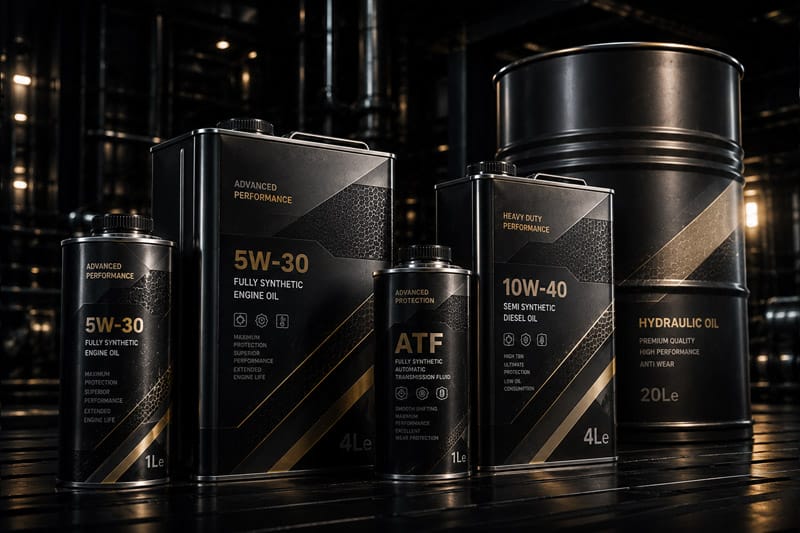
Metal can packaging remains one of the strongest visual and structural assets available to premium industrial brands.
While alternative packaging systems continue evolving, metal packaging still delivers a unique combination of durability, shelf authority, production quality, and premium perception that many industrial sectors continue to rely on.
For lubricant brands, exporters, and high-end manufacturers, packaging is no longer just a protective layer around the product.
It has become a direct reflection of manufacturing standards, operational confidence, and brand positioning.
The companies that understand this distinction are the ones that create stronger market trust, better international perception, and more memorable industrial identities.
In competitive B2B environments, premium packaging is not an unnecessary luxury.
It is a strategic advantage.
Metal packaging provides superior durability, premium shelf presence, and stronger protection during transportation and export operations.
For premium industrial positioning, metal packaging often creates stronger perceived quality and structural reliability compared to standard plastic alternatives.
Tin packaging communicates durability, engineering precision, and high manufacturing standards while also supporting premium visual presentation.
Color consistency, reflective surfaces, registration accuracy, coating behavior, and typography alignment are among the biggest technical challenges.
Yes. Buyers often associate metal packaging with higher-quality products and more professional manufacturing systems.
Yes. Metal packaging offers strong structural performance during transportation and often performs better in demanding logistics environments.
Packaging directly influences buyer trust, distributor perception, and overall brand authority in competitive industrial markets.
Yes. Metal materials are often recyclable and associated with durable long-term packaging systems.
Lubricants, chemicals, paints, coatings, automotive fluids, and industrial manufacturing sectors frequently use metal packaging systems.
Successful industrial packaging combines strong visual branding, technical production knowledge, durability, and manufacturing precision.
At Jahanifar Studio, we create industrial packaging systems that combine strategic branding, production-ready execution, and premium visual positioning.
From lubricant packaging design to export-focused industrial branding, our approach is built around real manufacturing knowledge, print expertise, and long-term brand authority.
Explore our projects and discover how premium packaging can elevate your industrial brand presence.
Let's discuss your goals and explore the best path forward.