
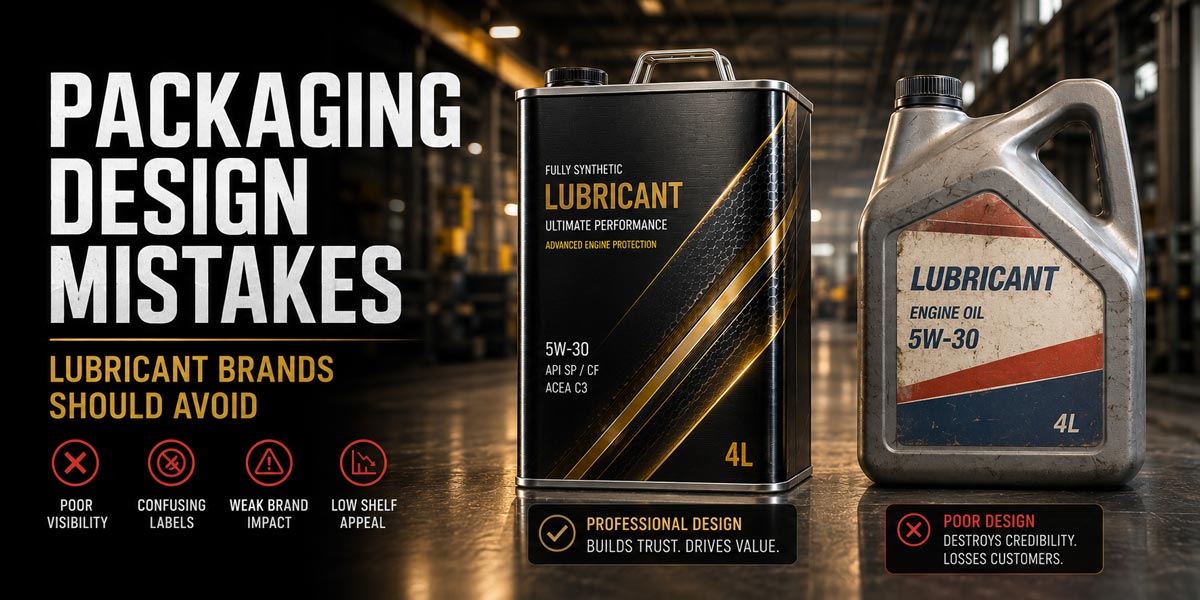

Many lubricant manufacturers focus on product performance while underestimating the impact of packaging. Unfortunately, even high-quality products can struggle in competitive markets when packaging fails to communicate value, trust, and professionalism. The most common packaging design mistakes often go unnoticed during development but become highly visible once products reach distributors, retailers, and customers. In this guide, we explore the packaging design mistakes lubricant brands should avoid and explain how strategic packaging decisions can improve brand perception, strengthen customer confidence, and support long-term growth.
Many lubricant manufacturers invest significant resources into product development, manufacturing processes, and distribution networks.
Yet surprisingly little attention is sometimes given to packaging strategy.
This creates a dangerous situation.
A technically superior product can still struggle in the market if customers perceive the packaging as outdated, inconsistent, or unprofessional.
Packaging is often the first physical representation of a brand.
Before customers evaluate viscosity ratings, performance specifications, or technical certifications, they evaluate the package itself.
This first impression influences expectations.
And expectations influence purchasing behavior.
As industrial markets become increasingly competitive, packaging mistakes are becoming more expensive than ever.
A weak packaging system can lead to:
These consequences often cost far more than the original packaging investment.
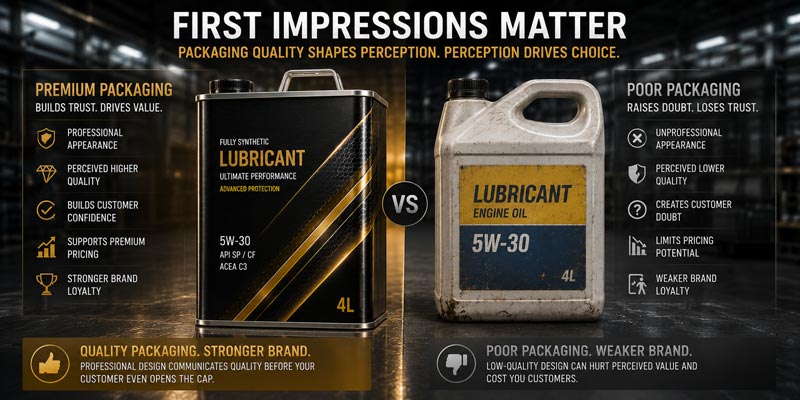
Many packaging mistakes do not create immediate problems.
Instead, they slowly reduce the effectiveness of marketing, sales, and branding efforts.
For example:
A customer may never complain about weak packaging.
However, they may choose a competitor whose product appears more professional.
A distributor may never mention packaging concerns.
However, they may prefer promoting products that look stronger on shelves.
Over time, these small decisions accumulate.
The result can be:
This is why successful lubricant brands increasingly view packaging as a strategic business asset rather than a production necessity.
The strongest brands understand that packaging contributes directly to perceived value.
Many industrial companies assume that superior product performance automatically leads to market success.
Unfortunately, this is not always true.
Customers rarely experience the product before making an initial judgment.
They experience the packaging first.
When packaging communicates:
customers may unconsciously associate those characteristics with the product itself.
This psychological effect influences both consumer and industrial purchasing decisions.
As discussed in our previous articles on Lubricant Packaging Design and Metal Can Packaging Design, packaging is not merely a container.
It is one of the most powerful communication tools available to a brand.
Companies that underestimate this reality often struggle to achieve the market position their products deserve.
In Part 2, we will examine the first three packaging design mistakes that frequently undermine lubricant brands: weak visual hierarchy, poor color strategy, and generic packaging design.
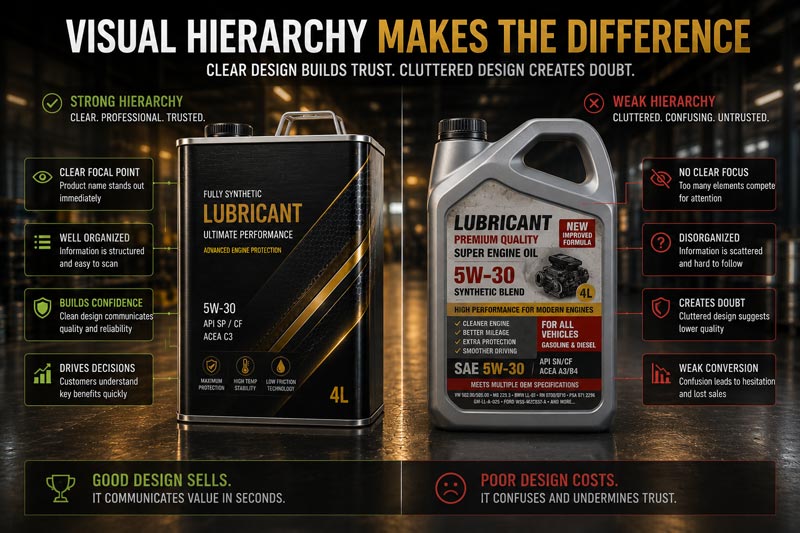
One of the most common packaging design mistakes is poor visual hierarchy.
Many lubricant packages attempt to communicate too much information at once.
As a result, customers struggle to identify the most important details.
Effective packaging should guide the viewer’s attention in a logical sequence.
Typically, customers should immediately recognize:
Unfortunately, many packaging designs place these elements in competition with each other.
When everything is emphasized, nothing is emphasized.
Weak hierarchy often results in:
Strong packaging systems use typography, color, spacing, and scale strategically to create a clear visual flow.
The customer should understand the product within seconds.
Color is one of the most powerful tools in packaging design.
Yet many lubricant brands use color without a clear strategic purpose.
A weak color strategy creates several problems.
Customers may struggle to distinguish between product categories.
Product lines may appear inconsistent.
Brand recognition becomes weaker over time.
Successful lubricant brands often use structured color systems to communicate:
Color should function as a communication tool.
Not simply decoration.
As discussed in our article on Motor Oil Packaging Design Trends in 2026, the most effective packaging systems use color to strengthen both usability and brand consistency.
A disciplined color strategy makes packaging easier to understand while improving shelf visibility.
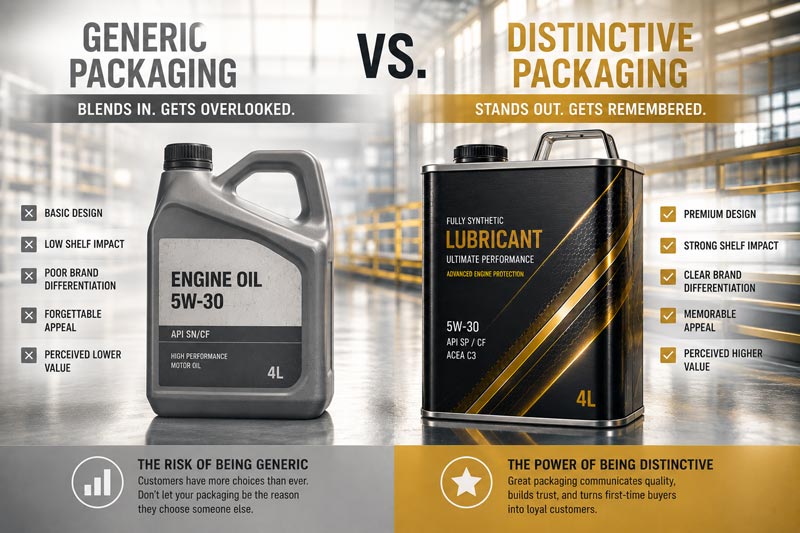
One of the fastest ways to reduce perceived value is to create packaging that looks identical to competitors.
Unfortunately, this problem is widespread throughout the lubricant industry.
Many brands rely on:
The result is packaging that struggles to stand out.
Customers see dozens of lubricant products every day.
If packaging fails to create distinction, the brand becomes forgettable.
Differentiation does not require excessive complexity.
In many cases, the strongest packaging systems achieve distinction through:
The objective is not to look different for the sake of being different.
The objective is to create a memorable brand experience..
Many packaging projects are developed under significant pressure.
Deadlines, production constraints, and internal approvals often force teams to focus on short-term execution rather than long-term brand strategy.
As a result:
These mistakes rarely occur because companies lack good intentions.
They occur because packaging is often treated as a design task rather than a strategic business tool.
The most successful lubricant brands approach packaging differently.
They view packaging as part of their branding system, sales strategy, and customer experience.
This perspective helps them avoid many of the mistakes that weaken market performance.
In Part 3, we will examine three additional packaging design mistakes that frequently damage lubricant brands: ignoring production requirements, poor material selection, and weak brand positioning.
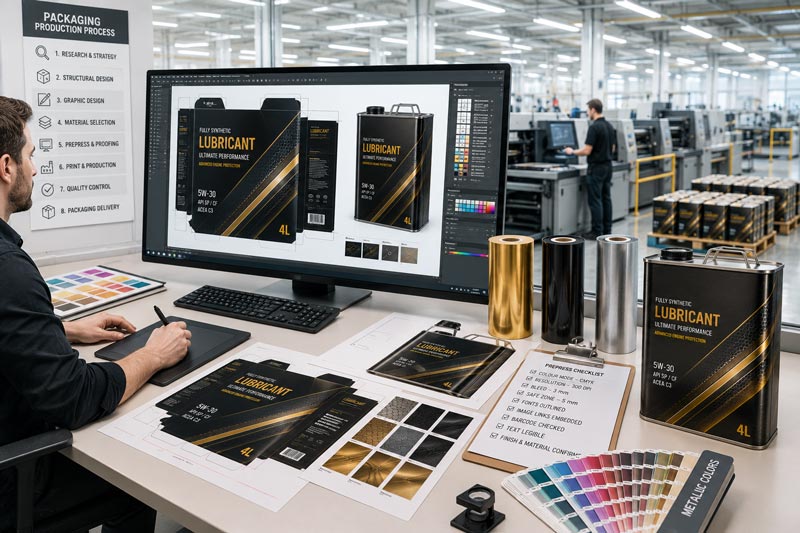
One of the most expensive packaging design mistakes occurs when visual design is developed without considering production realities.
A package may look impressive on a computer screen but fail during manufacturing.
This problem is surprisingly common.
Many packaging projects focus heavily on appearance while overlooking:
The result is often:
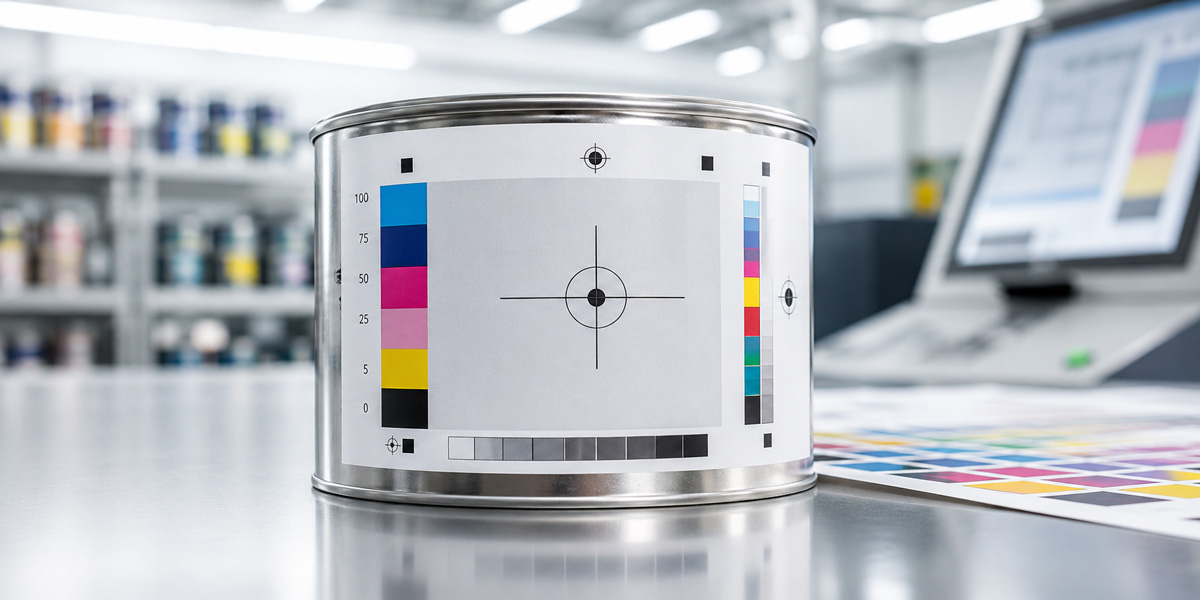
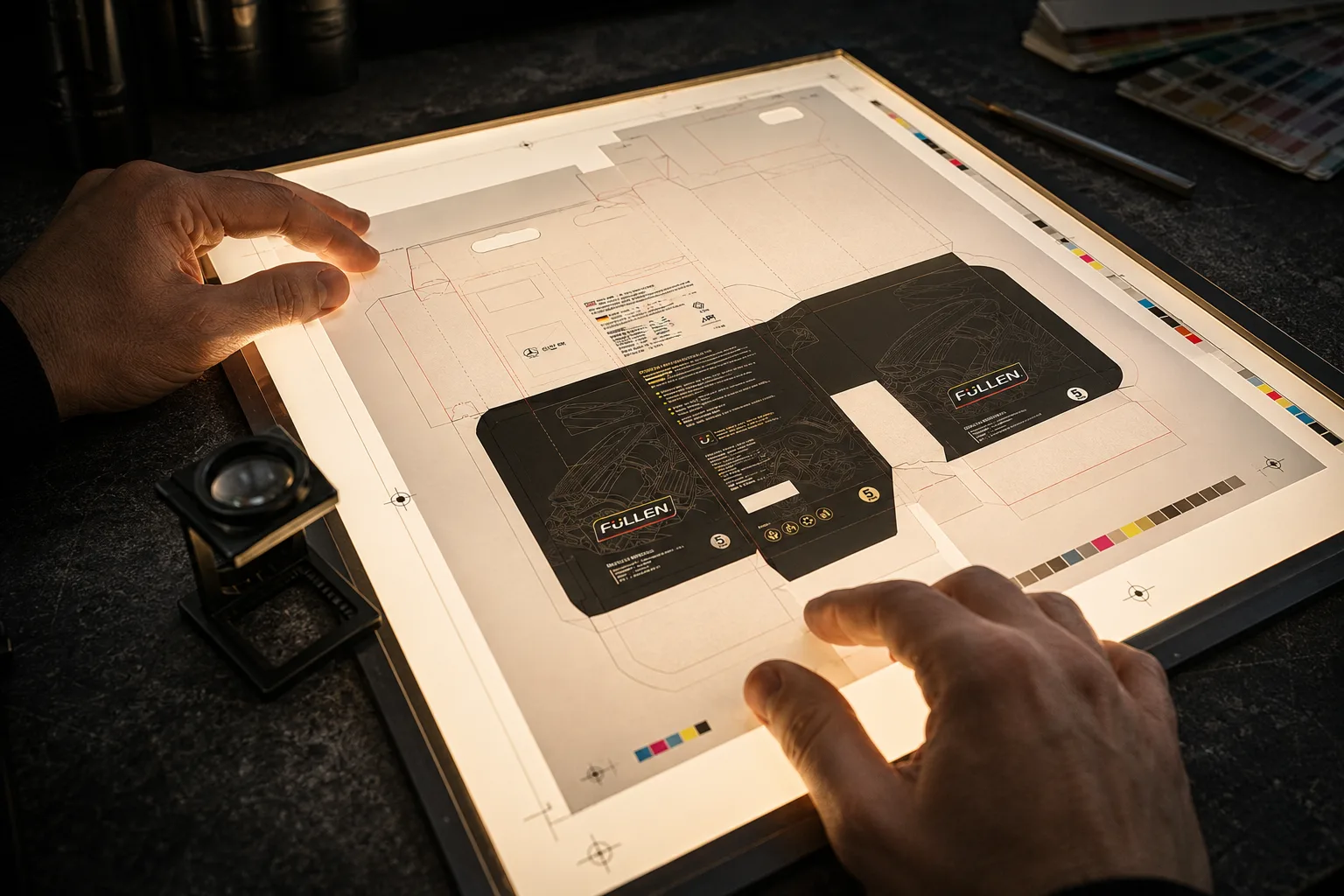
As discussed in our article on Print-Ready Packaging Design, production considerations should be integrated into the design process from the beginning.
Successful packaging systems balance creativity with manufacturing practicality.
Design and production should work together.
Not against each other.
Brands that ignore production requirements often discover problems only after packaging reaches the factory floor.
By that stage, corrections become far more expensive.
Packaging materials influence much more than product protection.
They affect:
Many companies select materials based entirely on cost.
While cost is important, it should never be the only consideration.
A packaging material should support the brand’s overall objectives.
For example:
A premium lubricant brand targeting export markets may benefit from packaging materials that communicate quality and durability.
A value-oriented product line may prioritize operational efficiency and cost optimization.
Problems arise when packaging materials contradict brand positioning.
Imagine a manufacturer promoting premium quality while using packaging that appears cheap or outdated.
This disconnect creates confusion.
Customers may question whether the product truly delivers on its promises.
The strongest brands maintain alignment between:
When these elements work together, packaging becomes significantly more effective.s.
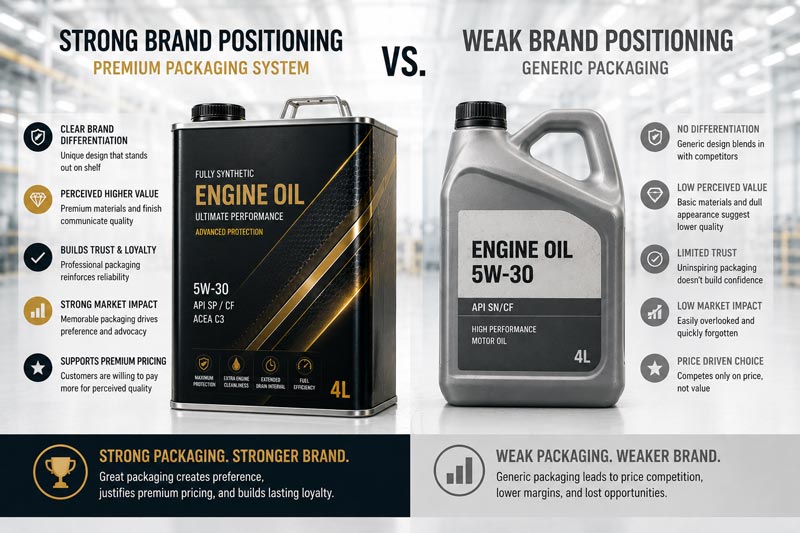
Some lubricant packages communicate product information.
Very few communicate a strong brand position.
This distinction is critical.
Customers rarely remember technical specifications alone.
They remember brands.
Weak positioning often results from packaging that lacks:
As a result, products become interchangeable.
When customers cannot identify meaningful differences between competing brands, purchasing decisions often become driven by price.
This creates pressure on margins and reduces long-term brand value.
Strong packaging should communicate:
Every visual decision contributes to that message.
Typography.
Color.
Material selection.
Layout.
Photography.
Each element helps shape perception.
This is why industrial branding and packaging design should be developed together rather than separately.n.
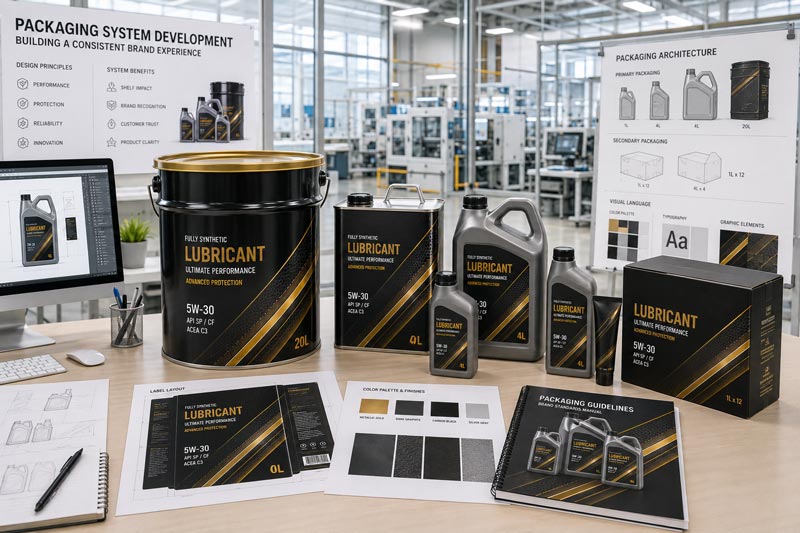
One of the biggest reasons packaging mistakes continue to appear is the absence of a structured packaging system.
Many companies redesign packaging whenever a new product is launched.
Unfortunately, these projects are often treated as isolated tasks.
This creates inconsistency.
A more effective approach is to build a packaging system that establishes:
Such systems improve consistency while reducing future development costs.
More importantly, they strengthen brand recognition across every product line.
The strongest lubricant brands rarely rely on individual packaging designs.
Instead, they build packaging ecosystems that support long-term growth.
In Part 4, we will explore how successful lubricant brands avoid these mistakes, provide a practical packaging audit checklist, summarize the key lessons from this article, answer frequently asked questions, and explain how strategic packaging systems create lasting competitive advantages.
The most successful lubricant brands rarely achieve strong packaging results by accident.
Instead, they follow a structured process that combines branding, packaging strategy, production expertise, and long-term planning.
These companies understand that packaging is not simply a design project.
It is a business asset.
Rather than making isolated design decisions, they establish systems that guide future product development.
These systems typically include:
As a result, every new product strengthens the overall brand instead of creating inconsistency.
This approach improves efficiency while helping customers recognize and trust the brand more easily.
If you are evaluating an existing lubricant packaging system, the following questions can help identify potential weaknesses.
The more “yes” answers a brand can achieve, the stronger its packaging system is likely to be.
Many companies compete primarily through:
These factors are important.
However, packaging often influences how those advantages are perceived.
A premium package can strengthen confidence in product quality.
A poorly executed package can undermine years of investment in manufacturing and marketing.
This is why packaging should be viewed as part of the customer experience.
Every interaction with the package influences perception.
Customers notice:
These observations contribute to trust.
And trust contributes to sales.
The strongest lubricant brands understand this relationship and invest accordingly.
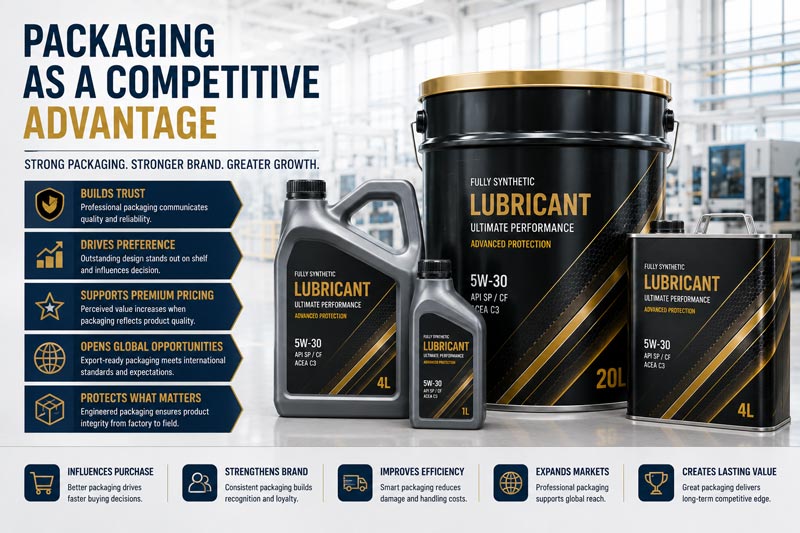
Packaging design mistakes are rarely limited to aesthetics.
They influence customer perception, brand credibility, production efficiency, and long-term business performance.
Weak visual hierarchy, poor color strategy, generic design, production-related problems, inappropriate material choices, and unclear brand positioning can all reduce the effectiveness of otherwise excellent products.
The good news is that these mistakes are avoidable.
Companies that approach packaging strategically often experience:
In modern industrial markets, packaging is no longer just a container.
It is one of the most powerful tools available for communicating quality, professionalism, and brand value.
Brands that invest in packaging excellence position themselves for stronger long-term success.
Weak visual hierarchy, poor color strategy, generic design, production issues, inappropriate material selection, and weak brand positioning are among the most common mistakes.
Customers often use packaging quality as an indicator of product quality and brand credibility.
Visual hierarchy helps customers quickly understand products and improves shelf visibility.
Color helps differentiate products, strengthen recognition, and improve navigation across product lines.
Yes. Poor packaging can negatively influence customer perception before the product is evaluated.
Production-ready packaging is designed with manufacturing requirements, print limitations, and quality control considerations in mind.
Packaging communicates brand identity, positioning, values, and quality expectations.
Generic packaging reduces differentiation and makes products easier to overlook.
Materials influence durability, perception, sustainability, and brand positioning.
By combining strong branding, strategic design, production expertise, and consistent packaging systems.
At Jahanifar Studio, we help industrial brands develop packaging systems that combine strategic branding, production expertise, and premium market positioning.
From lubricant packaging and metal can design to print-ready artwork and industrial branding systems, our goal is to create packaging that communicates quality, builds trust, and supports long-term business growth.
Discover how a strategic packaging approach can help your products stand out, strengthen customer confidence, and create lasting competitive advantages.
Let's discuss your goals and explore the best path forward.